Speakers
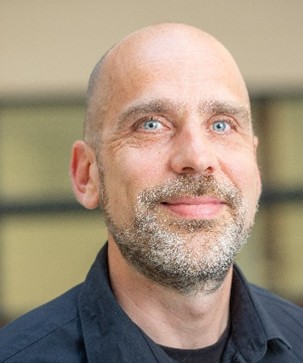
Maikel Wijtmans
“It’s all about growth: enabling bachelor internship research to explore new avenues in fragment-based drug discovery ”
Short bio
Maikel Wijtmans is an associate professor of Synthetic Medicinal Chemistry at Vrije Universiteit Amsterdam. He has an interest in mentoring students in their academic journeys, in educational innovation in pharmaceutical sciences, and in the design and synthesis of compounds that are of interest in biological contexts. Maikel studied organic chemistry at Radboud University Nijmegen, where he graduated in August 1998. He moved to Vanderbilt University in Nashville, USA to pursue PhD work on organic ligands for nanocrystals and on the development of novel antioxidants. After completion of his PhD work in 2003, he returned to the Netherlands where he joined the Division of Medicinal Chemistry as a postdoctoral fellow. In 2009 and 2023, he was appointed assistant and associate professor of Synthetic Medicinal Chemistry.
Abstract
Fragment-based drug discovery (FBDD) has developed into an established approach in drug discovery, to date having yielded 8 approved drugs. In FBDD, small libraries of small molecules are assayed on a protein of interest, thus covering chemical space more efficiently. The resulting fragment hits are next grown or merged to drug-like molecules. In this presentation, I will discuss how we worked with 60+ bachelor interns to explore several new avenues in FBDD approaches. In their bachelor internships, the students showed how FBDD can be advanced into new territories in health and sustainability.
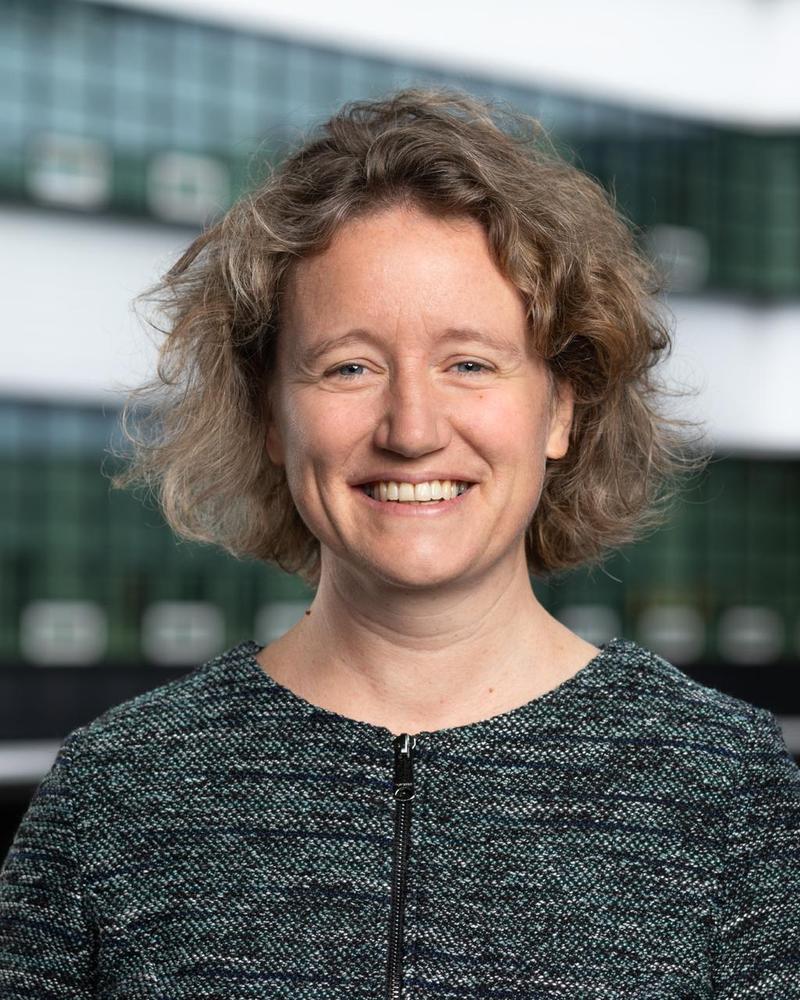
Sissi de Beer
"Searching for Scents: Control of Molecular Interactions Enables Odour Sensing"
Short bio
Dr.ir. Sissi de Beer is a scientist at the University of Twente’s Faculty of Science and Technology (TNW), where she works at the intersection of materials science, chemistry, and sensor technology. Her work focuses on the fundamental and applied aspects of surface interactions—knowledge that plays a crucial role in the development of advanced sensing platforms. Sissi has a strong interest in how molecular-level processes can be translated into practical detection technologies. This expertise naturally connects to her current work with electronic nose (e‑nose) systems, which mimic human olfaction by detecting complex patterns of volatile compounds.
Abstract
Dogs can recognise scents and identify its source with great precision. This can be used to detect diseases or hazardous and illegal substances. However, dogs are expensive to train, and the use of animals comes with ethical challenges. To combat these limitations, researchers are developing devices (eNoses) that can distinguish different scents and replace the dog’s sense of smell.
In this presentation, I will show that we can mimic the functioning of mammalian noses by differential sensing. To do so, we have functionalized sensor arrays with so-called polymer brushes. The brushes attract the odour molecules to the sensor surfaces, which allows to distinguish many different types of scents.
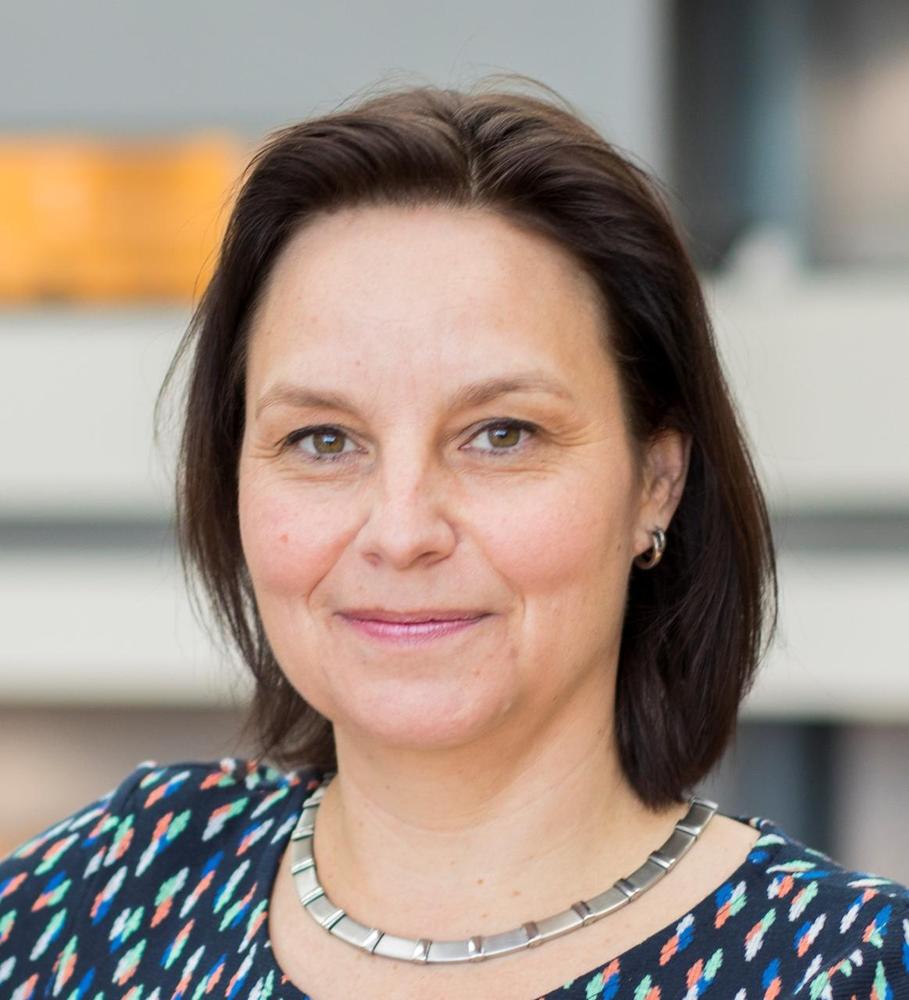
Tina Vermonden
"Shrinking Hydrogels to Engineer Narrow Tubular Kidney Structures"
Short bio
Trained as an molecular scientist with love for organic chemistry, I am professor of pharmaceutics at Utrecht University, where my group explores hydrogels and supramolecular systems for drug delivery and tissue engineering. After completing my Ph.D. at Wageningen University, I joined Utrecht in 2005 as a postdoctoral researcher and later advanced to full professor in 2020. My research has been enriched by international collaborations, including an exchange project at the University of Minnesota. I have served as principal investigator in numerous national and international programs and supervised 22 Ph.D. students. Recognition of my work includes prestigious VIDI and Aspasia grants in 2014 for hydrogel-based drug release, and a VICI grant in 2021 for shrinking printing technologies in kidney engineering. Since 2022, I have been Associate Editor of Biomacromolecules.
Abstract
The human kidney is composed of intricate micrometer-scale tubular structures, such as nephrons, that are essential for filtration and homeostasis. Replicating these structures in vitro remains a major challenge for tissue engineering and drug screening. Conventional hydrogel casting and 3D bioprinting face limitations in resolution, cell seeding efficiency, and cytocompatibility. To address these issues, we developed a shrinking hydrogel strategy based on host–guest supramolecular interactions. Our system employs methacrylated hyaluronic acid and dextran, functionalized with cyclodextrin and adamantane groups, forming reversible bonds. Competitor guests initially block interpolymer interactions; their release triggers hydrogel contraction, reducing volume up to eightfold while preserving cell viability. Kidney cells seeded onto preformed channels adhered well, remained viable, and formed continuous monolayers during shrinking, as confirmed by confocal imaging. This approach enables precise fabrication of renal-scale tubular constructs with structural integrity and cytocompatibility, offering a promising platform for advanced organ-mimetic models in biomedical research.
Willem Mulder, Ph.D.
"Nanomedicine-based immunotherapy – Concepts, entrepreneurship & clinical translation"
Short bio
• Founding director Nanomedicine Laboratory
Icahn School of Medicine at Mount Sinai (2006 – 2020)
• Professor of Precision Medicine (2021 – present)
Radboud University Medical Center
Eindhoven University of Technology
Co-founder & CSO, Trained Therapeutix Discovery (2019)
Co-founder BioTrip (2022)
Co-founder Nanoworx (2024)
Willem Mulder is a biomedical engineer, academic, and entrepreneur. He develops innovative, bioengineered nanomedicines and controlled-release systems for immunotherapy in cancer, inflammatory and cardiovascular diseases, and to prevent allograft rejection in organ transplantation.
After earning an M.Sc. in chemistry from Utrecht University in 2001 and a Ph.D. in biomedical engineering from Eindhoven University of Technology in 2006, Mulder was recruited to the Icahn School of Medicine at Mount Sinai in New York. He founded Mount Sinai’s Nanomedicine Lab and became tenured Professor of Radiology and Professor of Oncological Sciences. Mulder has published more than 200 papers in leading scientific journals, including Nature Nanotechnology, Cell, Nature Biomedical Engineering, Nature Reviews Drug Discovery, Nature Reviews Materials, Immunity, Science Advances and Science Translational Medicine.
His Google Scholar h-index is 90.
Mulder served as principal investigator on multiple National Institutes of Health grants, including three R01s and a P01 project from the Heart, Lung, and Blood Institute, a P01 project from the National Institute of Allergy and Infectious Diseases, two R01s from the National Cancer Institute, and several co-investigator subawards. In parallel with his Mount Sinai role, he held part-time professorships at Amsterdam University Medical Center (2012–2018) and Eindhoven University of Technology (2018–present). In 2013, he received a Vidi grant, and in 2018 a Vici grant, both from the Dutch Research Council (NWO).
In 2021, Mulder was awarded an ERC Advanced Grant and returned to the Netherlands, where he established the MulderLab bioengineering group (www.mulderlab.com) spanning Radboud University Medical Center and Eindhoven University of Technology. He is currently Professor of Precision Medicine at both institutions. Mulder has mentored more than 100 postdocs and graduate students.
Besides his academic activities, he co-founded Trained Therapeutix Discovery (www.ttxdiscovery.com) in 2019, a biotech start-up aimed at treating detrimental immune-mediated diseases through regulation of trained immunity. He serves as the company’s Chief Scientific Officer. He also initiated and co-founded the biotech incubator BioTrip (www.biotrip.nl) and the contract research organization Nanoworx (www.nanoworx.nl).
Nanomedicine-based immunotherapy – Concepts, entrepreneurship & clinical translation
Immunotherapy is transforming the treatment of cancer, autoimmune diseases, and inflammatory conditions. While antibody- and cell-based approaches dominate current clinical practice, nanomedicine offers a powerful complementary modality with the potential to reprogram the immune system and achieve durable disease modification.
This keynote presentation highlights the translational journey of an innovative class of nanomedicines inspired by the body's endogenous lipoproteins. These dynamic assemblies of apolipoproteins and lipids can be recapitulated in the laboratory using cutting-edge recombinant technologies and microfluidics, creating versatile platforms for advanced drug delivery and controlled release.
In our research, we demonstrate how apolipoproteins provide exceptionally robust scaffolds for engineering nanomedicines that exhibit superior safety profiles and inherent targeting to key immune cell populations. Building on more than two decades of bioengineering progress, the presentation will showcase the development of nanomedicine-based immunotherapies that deliver long-term therapeutic benefits in immune-mediated diseases.
The presentation will additionally lay out entrepreneurial pathways and laboratory automation strategies to facilitate clinical translation, offering insights into how this approach can reshape immunotherapy for broader clinical impact.